Physical modelling & scientific simulation
Thermal phenomena, optics, radiation, atmospheric propagation, lasers, non-destructive testing, electrodeposition and related problems.
Optics • Spectroscopy • Thin films • DFT • Photovoltaics
Do you have a physical modelling or interpretation problem that your team cannot resolve? I can study it remotely, build the appropriate model, perform the calculations and provide an actionable scientific analysis.
ONERA • Dassault Aviation • Federal University of Bahia
What I can do for you
My usual path is simple: physical model → equations → numerical calculation → interpretation.
Thermal phenomena, optics, radiation, atmospheric propagation, lasers, non-destructive testing, electrodeposition and related problems.
Atmospheric transmission, visible/infrared spectroscopy, photoacoustics, XPS/PEELS, dielectric functions and DFT-assisted interpretation.
Optical properties of multilayers, heterojunctions, thin-film solar cells, device modelling and growth-related questions.
Examples of problems studied
XPS / PEELS
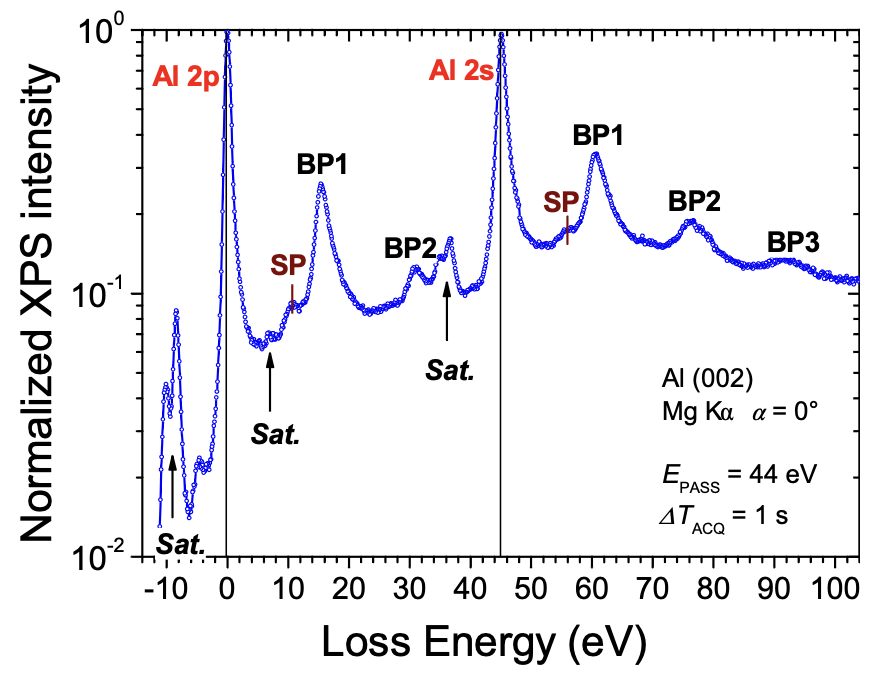
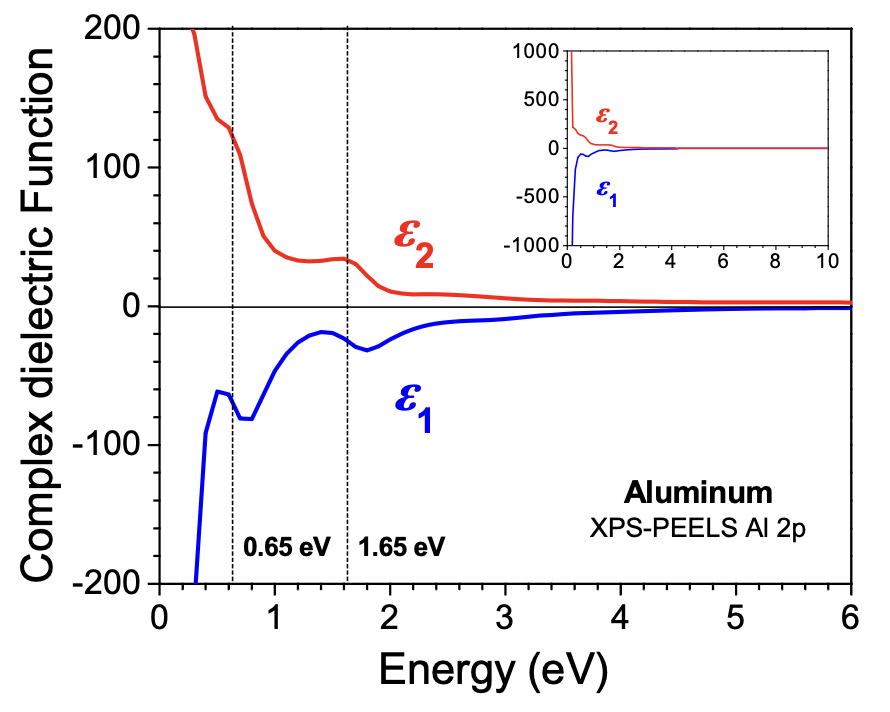
Problem — XPS/PEELS applied to single-crystal aluminium is a particularly demanding test because of its metallic character.
Approach — The asymmetric elastic peak is modelled very precisely. The multiple-resonance loss spectrum is then analysed by a Fourier-transform method to retrieve the loss function.
Result — Interband transitions close to the elastic peak are revealed in addition to the purely metallic response.
Molecular spectroscopy
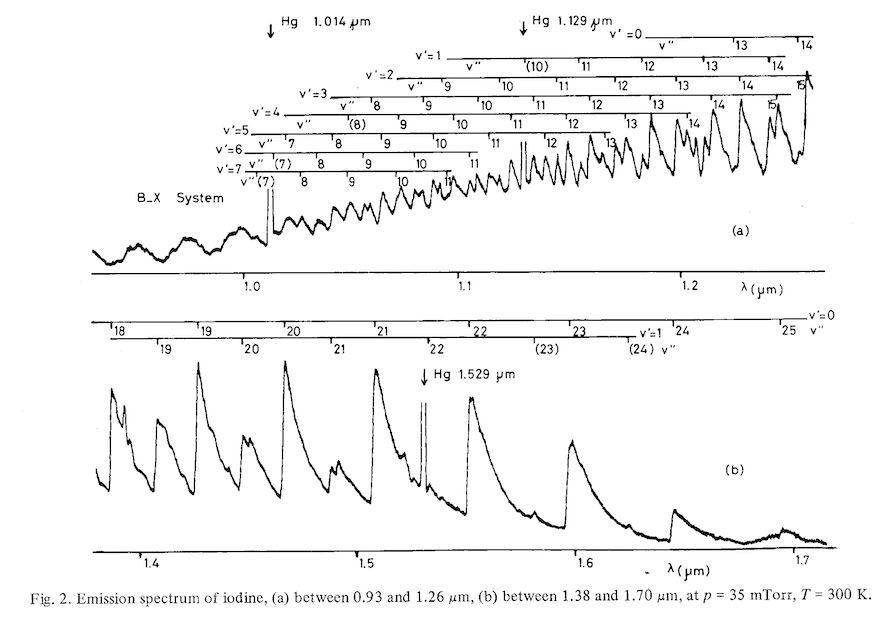
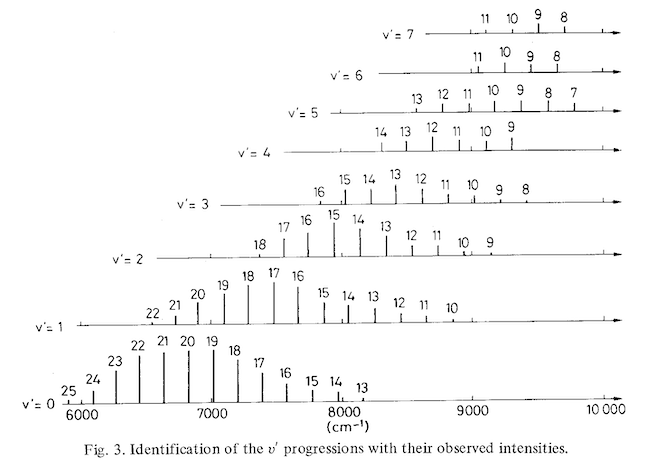
Problem — Energy transfer from singlet oxygen dissociates molecular iodine and produces a particularly complex molecular spectrum whose origin must be identified.
Approach — Each observed transition is interpreted as a rovibrational band following a Boltzmann distribution. The band sequence identifies the vibrational levels, while derived molecular constants identify the molecular states involved.
Result — The observed bands are assigned to transitions from the excited A state to the ground X state.
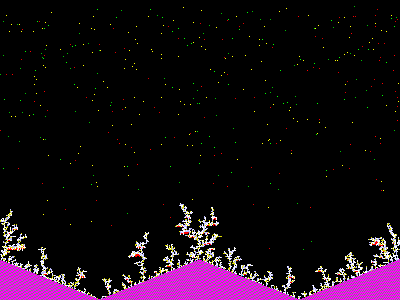
Electrodeposition modelling
Problem — Understand how the electric field and substrate roughness influence deposit growth.
Approach — Model the random motion of the ionic species together with the local electric field close to a rough substrate.
Result — The model reproduces the onset of fractal growth and allows the mechanisms driving the deposit morphology to be investigated.

Photovoltaic device modelling
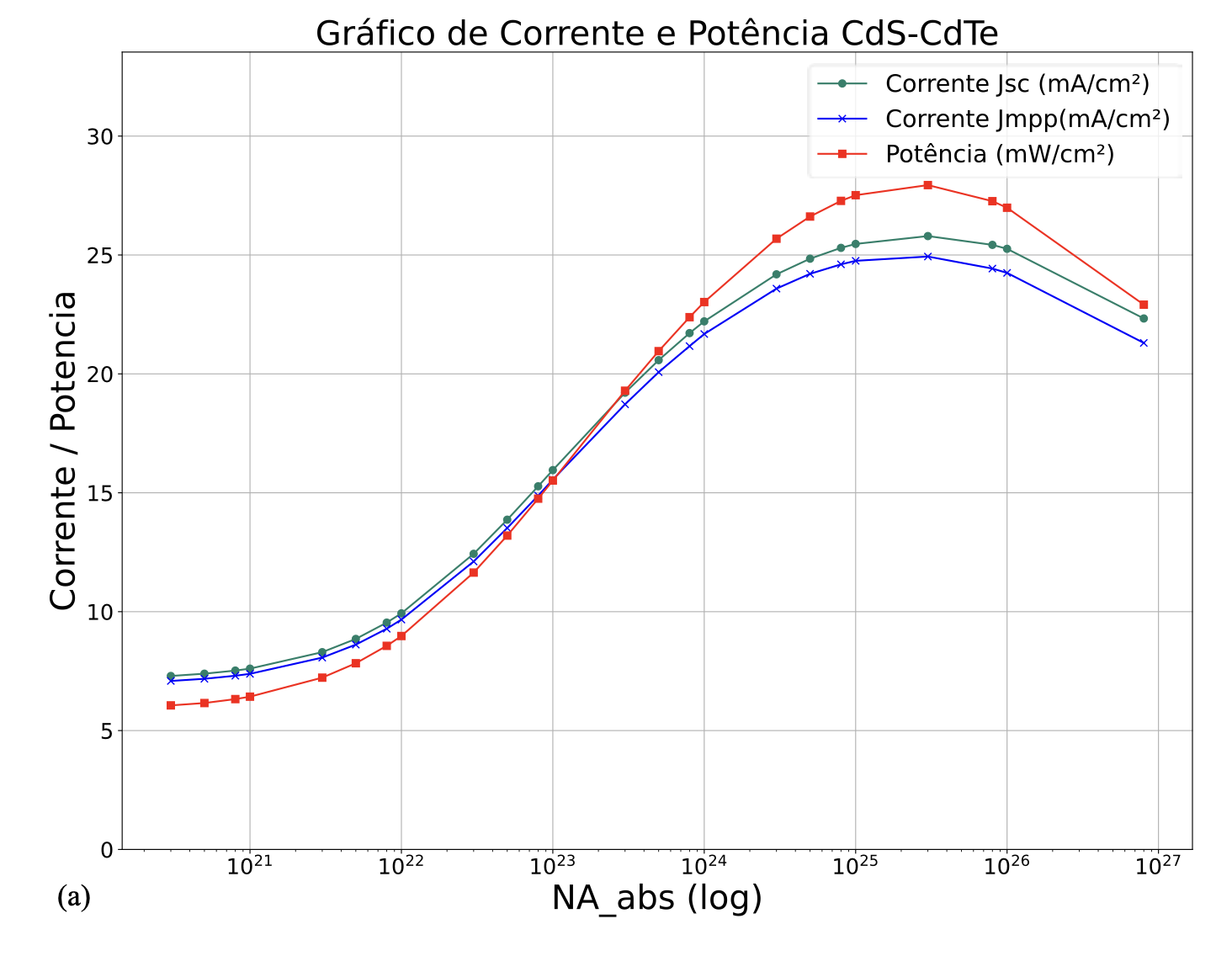
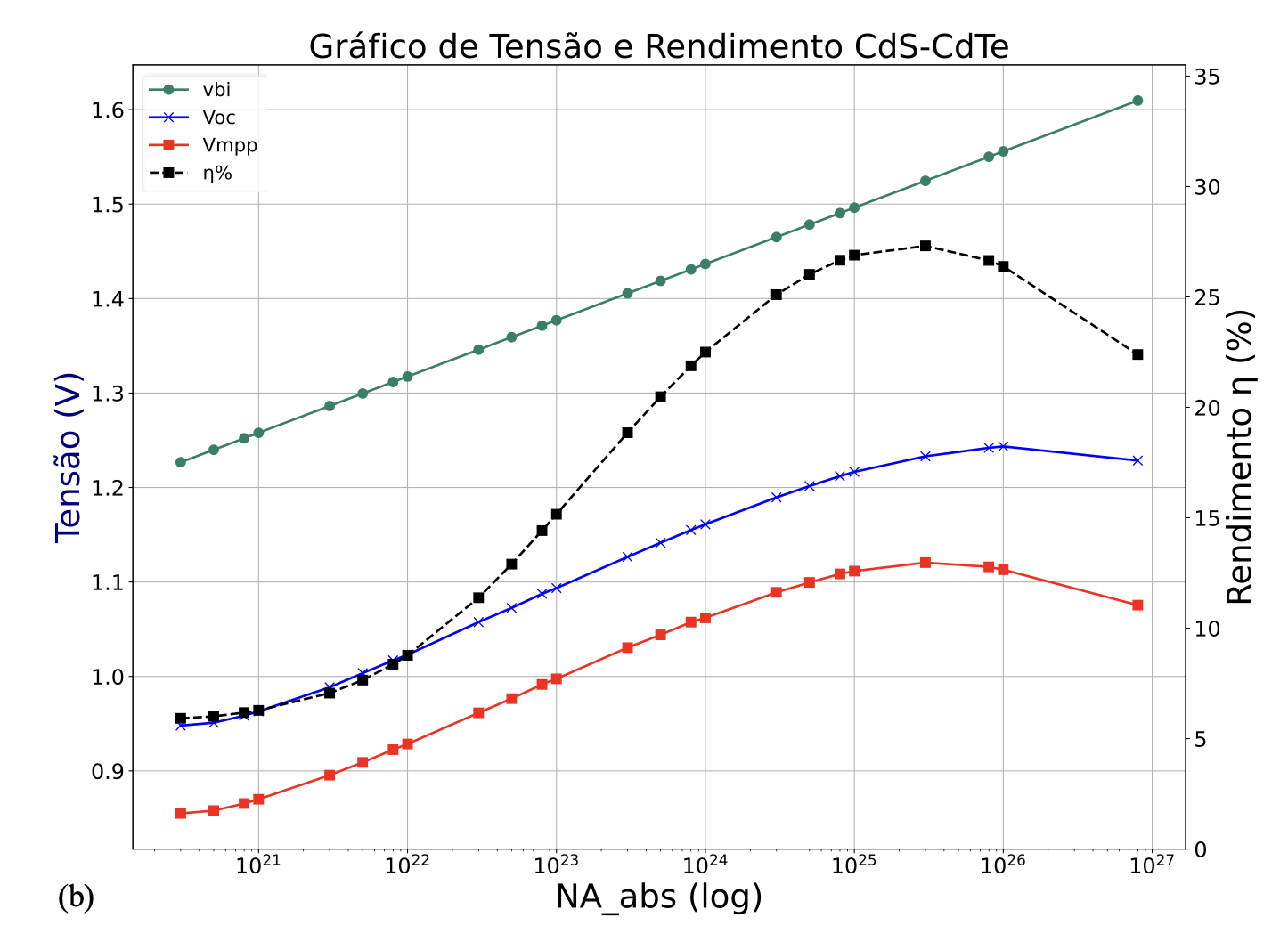
Problem — Predict cell performance so that the number of samples that must be fabricated can be reduced.
Approach — Model a multilayer structure comprising a transparent conductive layer, N- and P-type absorber films and a rear contact. Optical properties and electron–hole recombination mechanisms are included.
Result — The model satisfactorily reproduces devices such as CdS–CdTe, IS–CIS, CdS–CIS, ZnO–Cu₂O and CdS–Cu₂O cells.
DFT-assisted spectroscopy
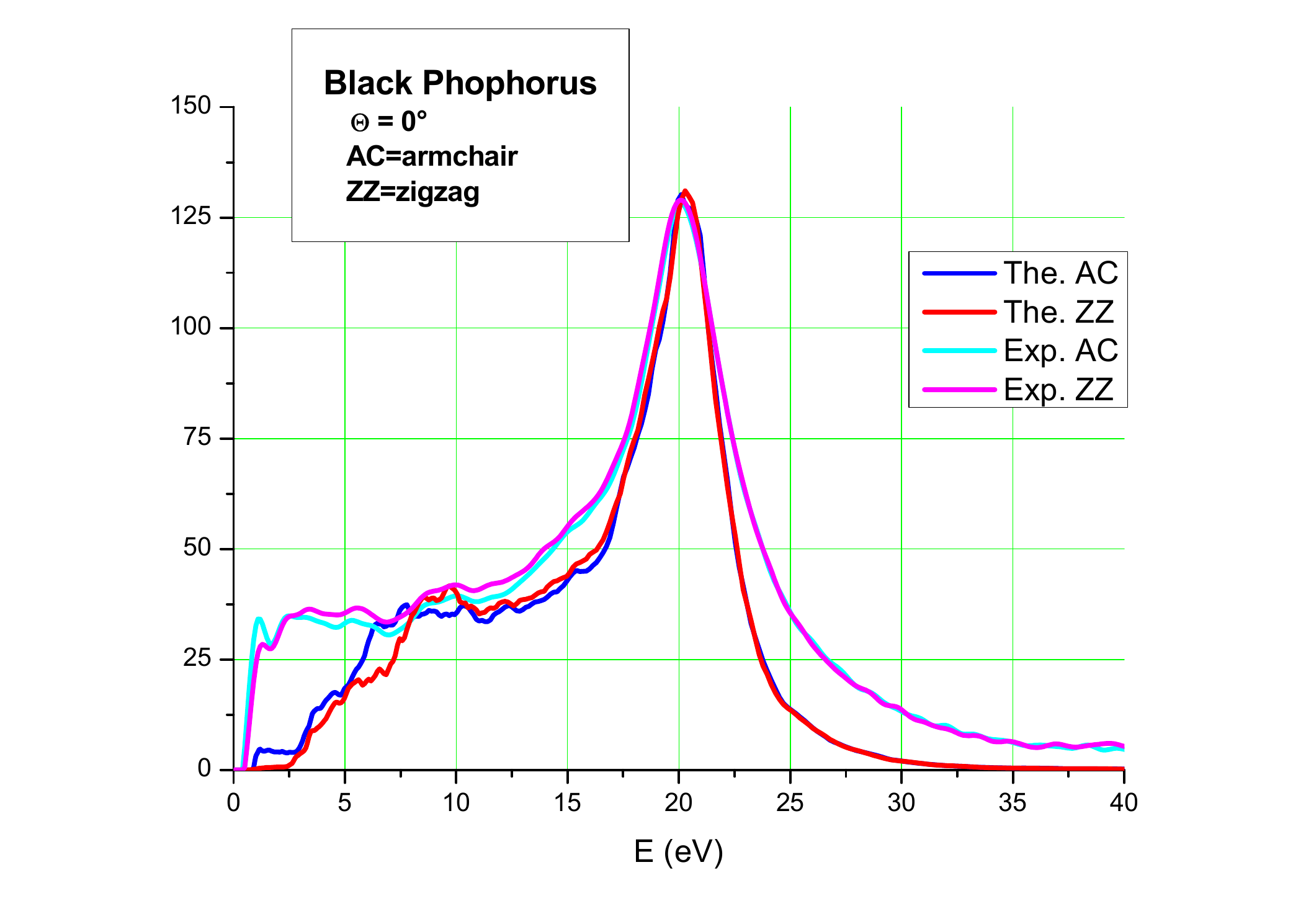
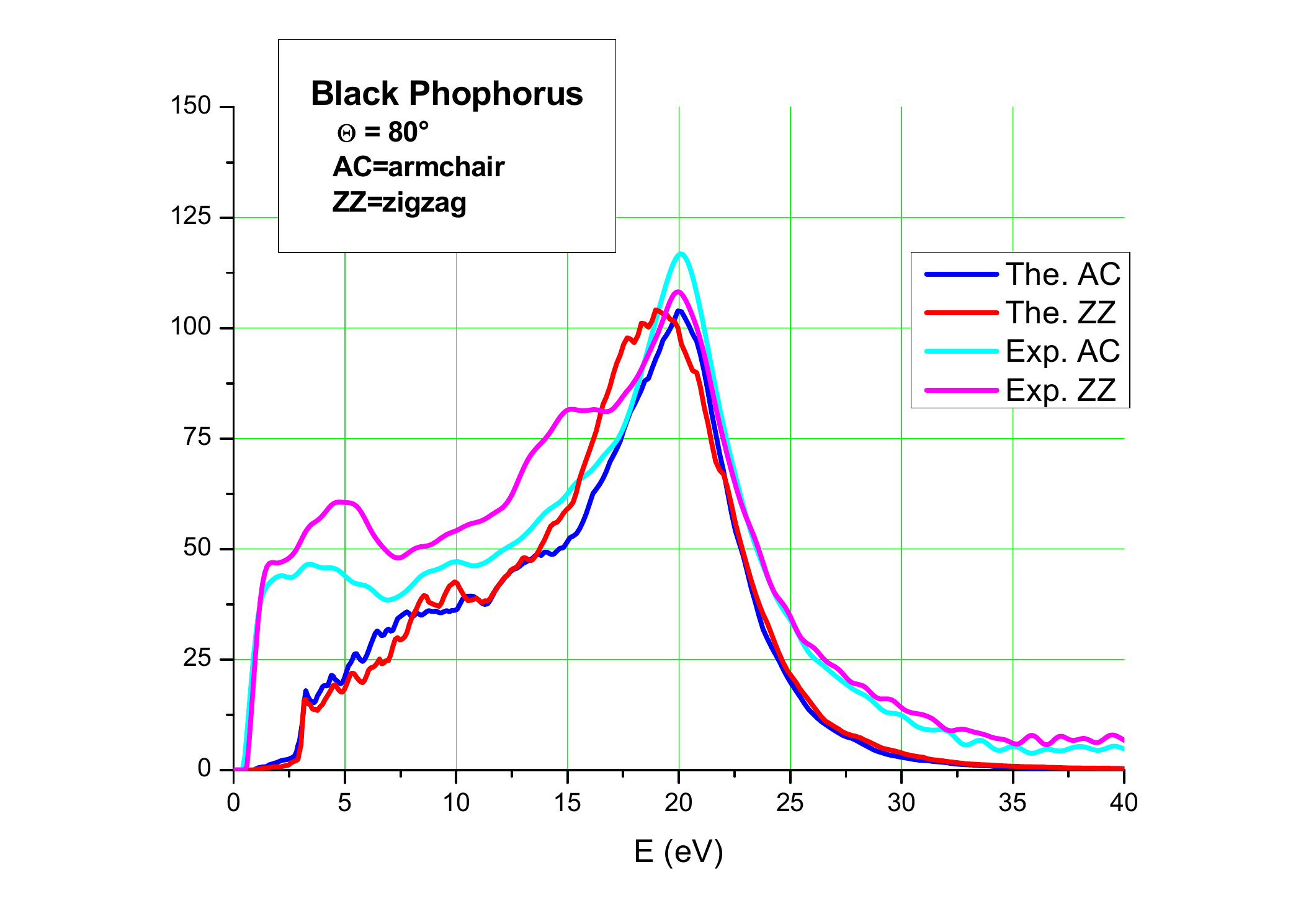
Problem — Black phosphorus is strongly anisotropic, so its XPS energy-loss spectrum depends on the analysis direction.
Approach — Interpretation requires a dielectric function depending on angle and transferred momentum. These effects are calculated using the QUESTAAL code.
Result — Theory–experiment comparison accounts for the anisotropy observed in the energy-loss spectra.
Scientific background
XPS/PEELS and dielectric functions • materials and nanomaterials • thin films • photovoltaics • atomic and molecular spectroscopy.
Work is carried out mainly remotely, with regular videoconference exchanges and occasional on-site intervention when the project requires it.
I can work from your existing measurements, data, experimental setup or physical question and focus on the modelling, calculation and scientific interpretation.
French • English • Portuguese
Background
More than four decades across fundamental physics, industrial R&D, instrumentation, spectroscopy and photovoltaic research.